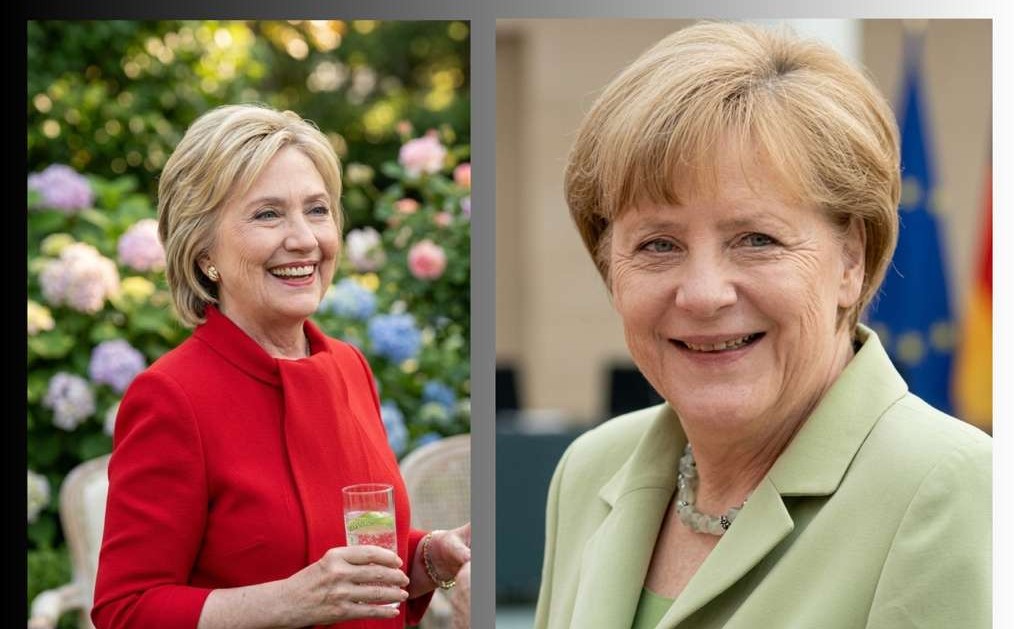
We like to believe things are changing fast for women. And in some ways, they are. You see more women on panels, in offices, on screens, speaking up, leading conversations.
But politics tells a quieter, more honest story.
Because when it comes to actual power; the kind that shapes policies, budgets, and national priorities, women are still not in the room as much as they should be.
Globally, women hold a little over a quarter of parliamentary seats. That means, in most countries, decisions that affect everyone are still being made mostly by men. Even at the highest level, the number of women leading countries is surprisingly small. You could count them, country by country, without losing track.
And maybe what’s more telling is not just how few women are in power, but where they are placed. When women do make it into leadership, they are often given roles linked to “softer” sectors -health, education, social welfare. Important, yes. But the real levers of power - finance, defense, internal security; still tend to stay in men’s hands.
It doesn’t happen by accident.
It’s Not About Capability; It Never Was
There’s a tendency to frame this as a confidence issue. As if women just need to “step up more.”
But that explanation feels too convenient. Because when women do step into leadership, especially at the local level, the results speak for themselves. There have been villages and communities where women leaders focused on things people deal with every day; water, sanitation, access, safety. Not abstract promises, but lived problems.
And things improved. Not dramatically overnight, not magically; but meaningfully.
Which makes you wonder: if the capability is clearly there, then what exactly is slowing everything down?
The Weight of Expectations
Part of it is visible. Part of it isn’t. There’s the obvious resistance; the skepticism, the subtle (and sometimes not-so-subtle) bias, the idea that leadership has a certain “look” and women don’t always fit it.
But there’s also the quieter pressure. The expectation to manage everything. To be ambitious, but not too aggressive. To lead, but still be likable. To succeed professionally without letting anything slip personally.
Politics is already demanding. For women, it often comes with an extra, unspoken checklist.
And then there’s the question of access; to funding, networks, mentorship. These aren’t small things. They are the foundation of any political career, and they’re not distributed equally.
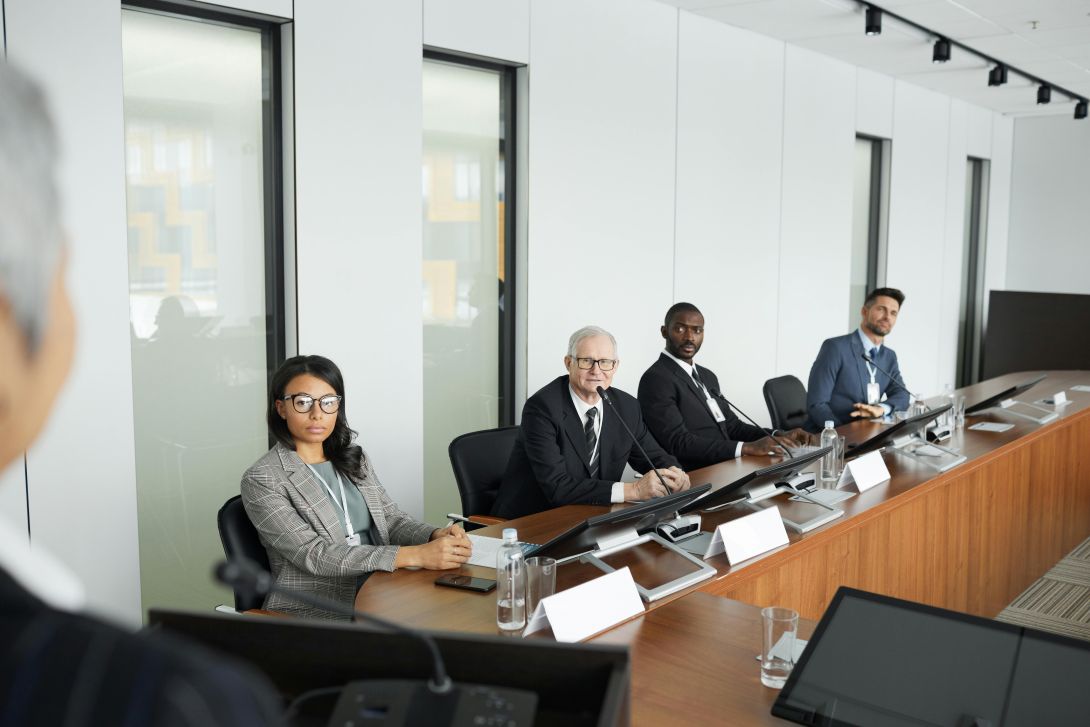
Where Things Actually Feel Different
Interestingly, the space where change feels most real is not at the top. It’s closer to the ground.
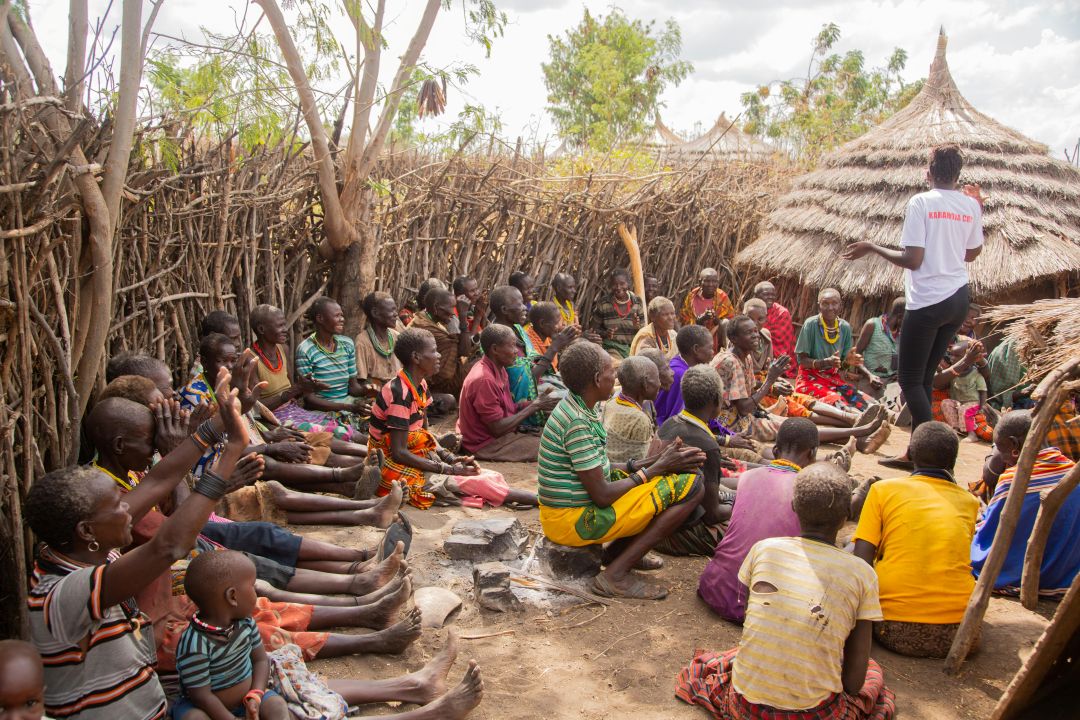
In local governance, more women are stepping in. And maybe that’s because these spaces are less about power as a concept and more about problem-solving as a practice.
It’s harder to ignore results there. If something works, people see it.
But the challenge is what happens next. Because many of these women don’t move up the ladder. The system doesn’t always open that next door.
Changing Numbers vs Changing Mindsets
It’s tempting to focus on statistics; how many women are in parliament, how many are ministers, how many countries have women leaders. Those numbers matter. They tell us where we stand.
But they don’t tell us how people feel about women in power. And that part matters just as much.
Because real change doesn’t happen when women are “allowed” into leadership. It happens when their presence there stops feeling unusual.
When it doesn’t need to be explained, justified, or highlighted.
So What Needs to Shift?
Maybe the question is not “how do we get more women into politics?”
Maybe it’s: why does the system still make it so hard?
Why does leadership still come with conditions when it comes to women?
And why are we still talking about this as if it’s a gradual, optional change - instead of something that should already be normal?
The Unfinished Story
There is progress. That part is real.
But it’s uneven, and it’s slower than it should be.
And until decision-making spaces start to reflect the people they represent- not partially, not symbolically, but genuinely; the gap will remain.
Not always visible. But always there.
Maybe one day, we won’t need articles like this. But the fact that we still do says enough.