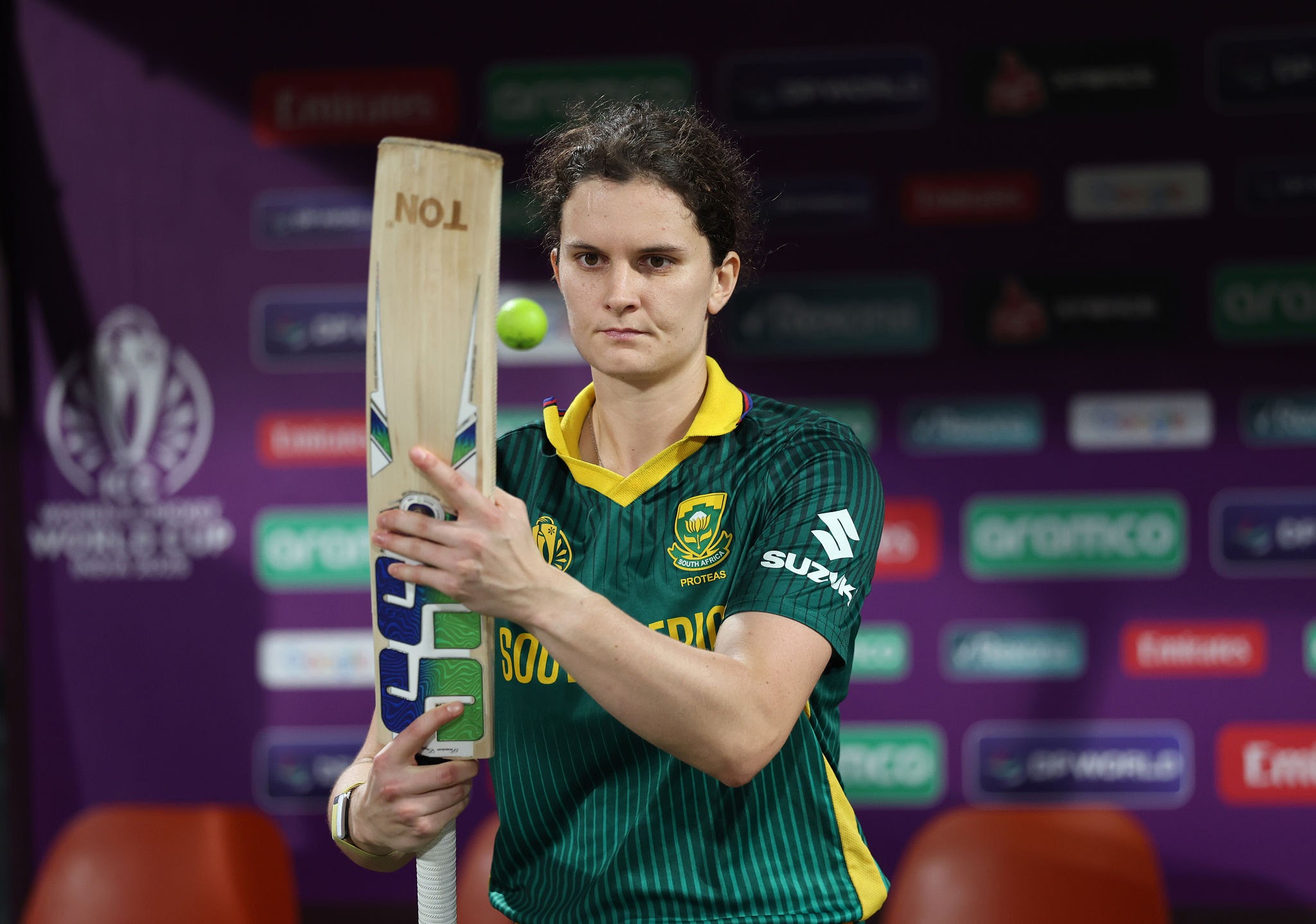
There was a time when women’s cricket existed quietly - played on modest grounds, watched by small but loyal audiences, and spoken about in limited columns. It was not lacking in skill. It was lacking in spotlight.
That spotlight has shifted. Today, when a women’s international match is played, millions tune in. The ICC Women’s Cricket World Cup 2025 reportedly reached around 446 million viewers globally, with the final alone drawing nearly 185 million digital viewers (ICC broadcast data). An India vs Pakistan clash during the same tournament recorded over 28 million viewers (ICC data).
Those are not sympathy numbers. They are attention numbers, and attention changes everything.
The Women Who Built This Moment
Long before broadcast figures became headline material, there were players who carried the sport forward quietly.
Mithali Raj, calm and composed, accumulating runs with the patience of someone who understood she was building more than an innings.
Jhulan Goswami charged in with the kind of fast bowling rhythm that demanded respect.
In Australia, Ellyse Perry was redefining the idea of an all-rounder: athletic, technically brilliant, and unshakeably consistent.
Meg Lanning was building a winning machine.
In England, Heather Knight and Nat Sciver-Brunt were shaping a fiercely competitive side.
And then came moments that felt cinematic.
Harmanpreet Kaur’s 171 in the 2017 World Cup semifinal.
Amelia Kerr’s record-breaking double century as a teenager.
Hayley Matthews dismantling bowling attacks with fearless stroke play.
Sophie Ecclestone turning matches with precision spin.
These were not just performances. They were declarations.
What Their Lives Actually Look Like
From the outside, it is easy to romanticise the profession. Stadium lights. Endorsements. Travel.
The reality is more layered. Professional women cricketers today follow tightly structured training cycles. Strength sessions, mobility drills, recovery ice baths, and nutrition plans designed down to micronutrients. Video analysis late into the evening. Strategy meetings. Sports psychology sessions. It is meticulous work.
Their schedules stretch across continents – India, Australia, England, South Africa, and the Caribbean. Franchise leagues like the Women’s Premier League, the Women’s Big Bash League, and The Hundred have turned the calendar into a near year-round commitment.
Airports become routine. Time zones blur. Performance remains non-negotiable. Yet somewhere between hotel check-ins and practice nets, these athletes have also become cultural figures.
Smriti Mandhana’s understated elegance off the field.
Ellyse Perry’s composed public presence.
Shafali Verma’s youthful boldness.
Laura Wolvaardt’s quiet intensity.
They move comfortably between match-day focus and media rooms, between team kits and brand campaigns. Strength and femininity are no longer positioned as opposites. They coexist naturally.
The Economics Are Shifting Too
In 2025, the ICC announced a $13.88 million prize pool for the Women’s World Cup. The Board of Control for Cricket in India (BCCI) announced equal match fees for both female and male centrally contracted cricketers to promote gender equality. Franchise leagues have created competitive bidding systems for players.
This matters because talent thrives when it is sustained, not when it survives.
Young girls watching today are no longer imagining cricket as a distant dream. They are seeing a viable profession.
What Has Really Changed
Perhaps the most significant transformation is not financial or statistical. It is psychological.
There was a time when women in cricket were described as “impressive for women”. That qualifier is fading. Now they are described as powerful, technical, aggressive, strategic, and without gendered footnotes.
The language is evolving, the audience is expanding, the expectations are rising and the players are meeting them.
The Future Feels Different
The growth of women’s cricket does not feel fragile anymore. It feels anchored.
Grassroots participation is increasing. Broadcast investments are steady. Sponsors are more deliberate. Young athletes are entering professional systems earlier, fitter, and tactically sharper.
The game itself is faster now, the skill level is deeper, and the competition is tighter. But what lingers most is not the data. It is the image of a packed stadium applauding a cover drive struck cleanly through extra cover. It is the sight of a fast bowler sprinting in with unapologetic aggression and the quiet confidence of a captain adjusting her field with total authority.
Women’s cricket is no longer asking to be noticed. It is being watched, and more importantly – it is being respected.