A Look at Movies, Books & Entertainment
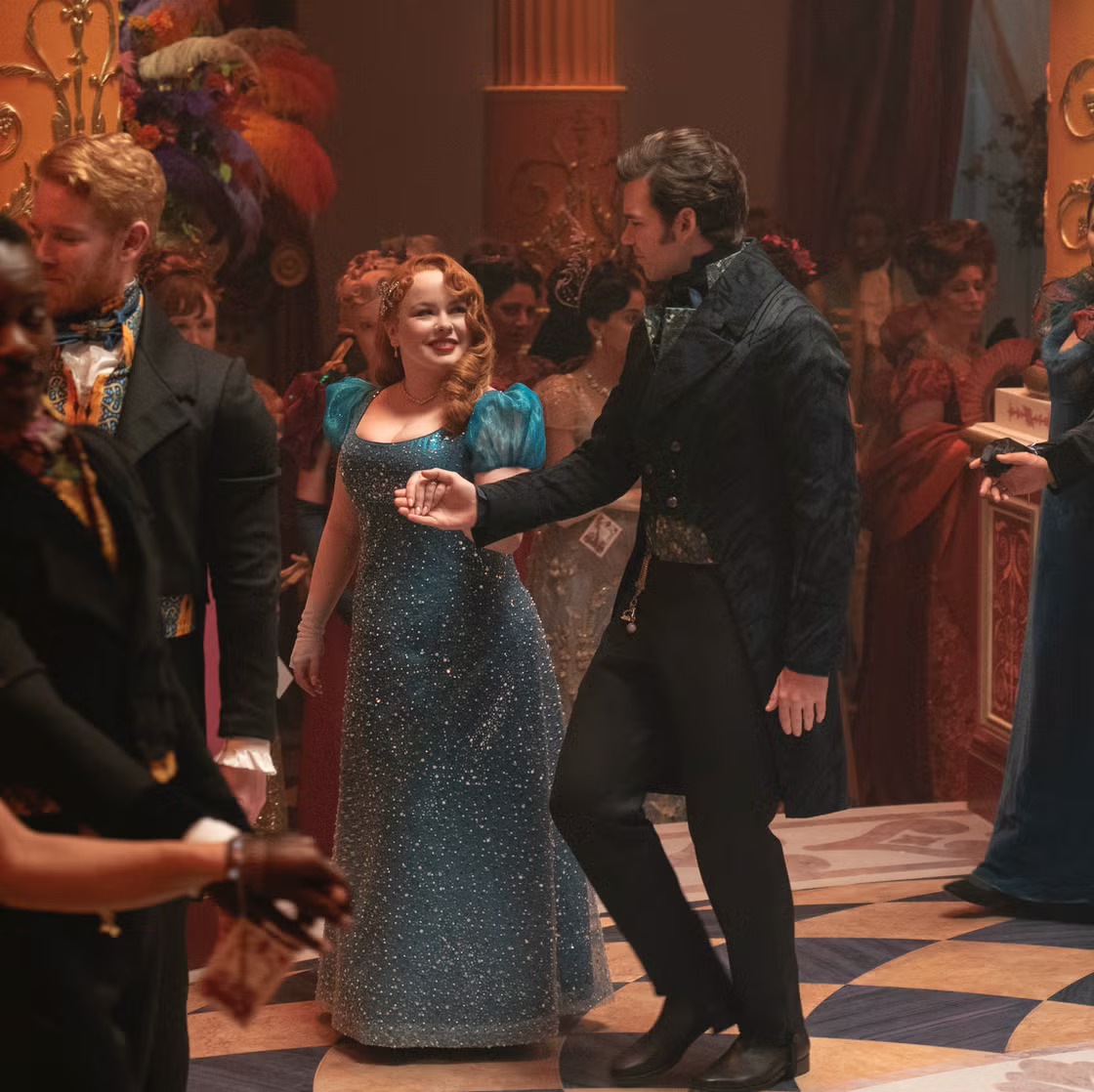
Every few years, someone declares that romance is dead. Dating apps have gamified attraction. Attention spans are shrinking. Love is casual now, efficient, detached. And yet. People still rewatch 'Titanic' and cry when Jack lets go. People still underline passages in 'Pride and Prejudice'. Young audiences binge-watch ballrooms and handwritten letters in 'Bridgerton' like it's oxygen.
So, what’s going on? If old-world romance is irrelevant, why does it refuse to leave our screens and shelves?
Movies: Why We Still Want Grand Love
Look at the films people keep returning to.
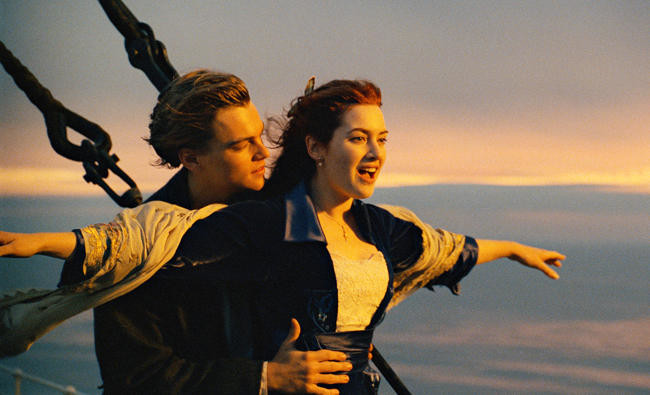
'Titanic' isn’t just nostalgia. It’s about intensity. It’s about love that feels urgent and sacrificial. Nobody replays it for the ship. They replay it for the emotional magnitude.
'The Notebook' thrives on letters, waiting, memory, and choosing the same person over and over again.
Even more recently, 'Sita Ramam' proved something important in India - audiences still respond to handwritten letters, destiny, longing, and emotional restraint.
If modern viewers truly preferred only casual dynamics, these stories wouldn’t succeed. But they do, because grand love makes us feel something larger than daily life. Old-world romance in cinema isn’t about corsets or period costumes. It’s about emotional stakes and about love that costs something.
Books: Slow Burn Never Really Left
Open any classic section in a bookshop.
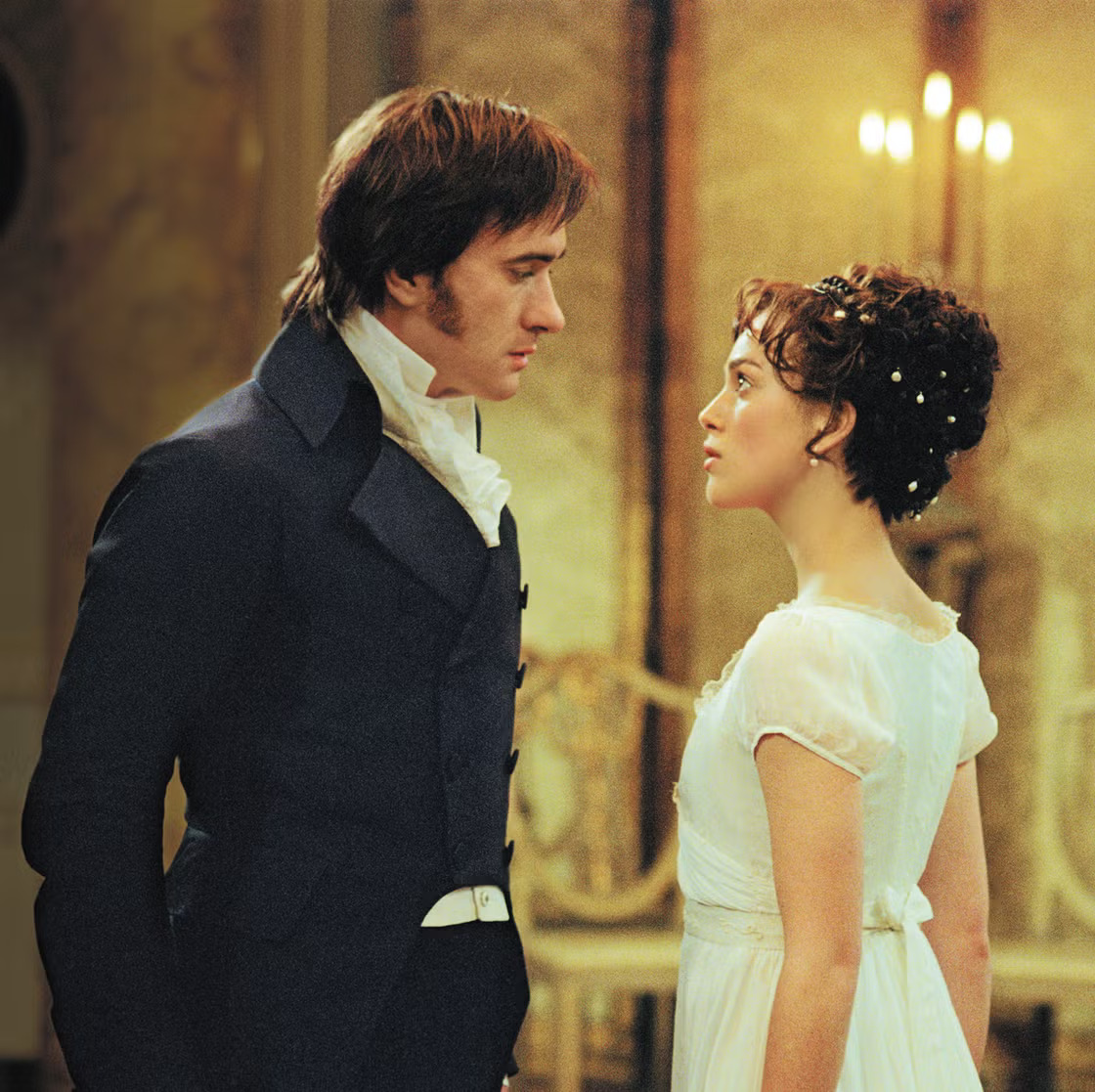
'Pride and Prejudice' still sells. Not because people care about 19th-century inheritance laws, but because they care about restrained longing, misjudgment, and earned intimacy.
'Jane Eyre' isn’t fast. It unfolds, builds tension, and forces characters to grow before they unite.
Even modern romance fiction often revolves around the “slow burn”, emotional tension, delayed confession and depth before physicality.
We may pretend we want instant connection. But we read about waiting. That contrast is telling.
Series & Streaming: The Fantasy of Anticipation
The obsession with 'Bridgerton' wasn’t accidental. Yes, it’s glossy and dramatic. But what hooks viewers is the anticipation. The glances. The social tension. The emotional build-up.
Even audiences who claim to prefer modern realism still binge period dramas. Why? Because anticipation is intoxicating. Old-world romance thrives on restraint. And restraint creates intensity. In today’s hyper-available culture, restraint feels rare. And rare feels valuable.
What Entertainment Reveals About Us
The truth people don’t always admit? In real life, we may accept casual dynamics, adapt to speed, and say we don’t need grand gestures. But in fiction, where we don’t have to protect ourselves, we gravitate toward devotion. Entertainment exposes our emotional preferences more honestly than dating trends do.
We fantasise about:
• Being chosen intentionally.
• Being written about.
• Being waited for.
• Being loved with certainty.
That is old-world romance at its core. Not rigid roles, outdated customs, depth, or commitment. And emotional courage.
So, is it still relevant?
Yes - but not as imitation. No one is demanding horse-drawn carriages and arranged courtship rituals. But the emotional architecture of old-world romance - patience, longing, loyalty, devotion; continues to shape our most successful stories.
We may live in a digital age. But the human nervous system still responds to anticipation. The human heart still responds to loyalty. The human imagination still responds to epic love. If anything, the faster the world becomes, the more attractive slow love feels. And that is why old-world romance keeps resurfacing, not as nostalgia, but as desire. Not outdated, just timeless.